White Noise Machine for ADHD Sleep | Gaveki
When Your Brain Won’t Let You Sleep
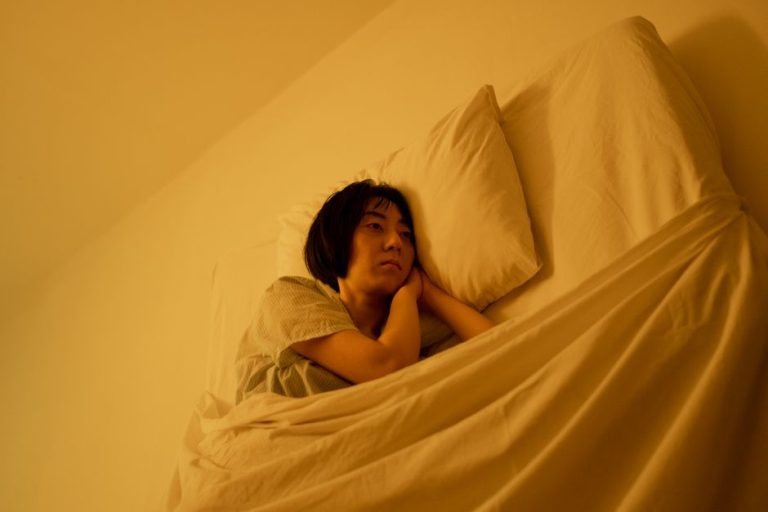
You’re exhausted. Your body is ready to crash, but your brain has other plans. It wants to replay that awkward conversation from three years ago, make a mental grocery list, and wonder if penguins have knees — all at the same time. If you have ADHD, this nighttime brain chaos probably sounds very familiar. Falling asleep can feel like a full-time job.
One simple tool that many people with ADHD swear by is a white noise machine. It sounds almost too easy, right? Just… noise? But there’s a real reason it helps, and understanding that reason can make bedtime feel a whole lot less like a battle.
Why ADHD Makes Sleep So Hard
ADHD affects more than just focus during the day. It also messes with your ability to wind down at night. Many people with ADHD experience something called delayed sleep phase, which means your brain naturally wants to stay awake later than most people. On top of that, the ADHD brain tends to stay highly active even when you’re lying still in the dark.
Small sounds become huge distractions at bedtime. A car outside, a dripping faucet, a neighbor’s TV — these tiny noises can jolt your brain into full attention mode when you’re trying to sleep. For a brain that already struggles to filter out distractions, the quiet of nighttime can actually feel overwhelming rather than calming.
What Is White Noise, Exactly?
White noise is a steady, even sound that contains all sound frequencies at once. Think of it like the hiss of a fan, the static between radio stations, or the rush of a running shower. It creates a kind of sound blanket that surrounds you and stays consistent throughout the night.
Because white noise is constant and unchanging, it doesn’t grab your brain’s attention the way sudden or varied sounds do. Instead of your brain perking up at every little noise, it has something steady to settle into. This helps block out the unpredictable sounds around you — the ones that would normally send your ADHD brain down a rabbit hole at midnight.
How White Noise Helps the ADHD Brain Specifically
For most people, a quiet room is peaceful. For many people with ADHD, a quiet room is actually a distraction magnet. Every tiny sound stands out clearly with nothing to compete with it. White noise changes this by raising the baseline level of sound in your environment, which makes sudden noises less jarring and less likely to pull your attention away.
There’s also a focusing effect that some researchers find interesting. Some studies suggest that certain types of background noise may actually help people with ADHD concentrate better — even during sleep preparation. The idea is that a brain that is slightly stimulated by steady, neutral sound may be less likely to go searching for its own stimulation. That means fewer racing thoughts and an easier time drifting off.
White noise can also help with the anxiety that often comes with ADHD at bedtime. When you know that random noises won’t startle you awake, you can relax more fully. That sense of safety and predictability is something the ADHD brain really benefits from at night.
Types of Noise Worth Trying
White noise is just one option in a whole family of noise colors and sounds that people find helpful. It’s worth experimenting because what works best is different for everyone.
- White noise: The classic option — a steady hiss that covers a wide range of frequencies. Great for blocking out voices and traffic.
- Pink noise: Slightly softer and deeper than white noise. Many people find it more pleasant to listen to. Think of gentle rain or rustling leaves.
- Brown noise: Even deeper and more rumbling. Sounds like a strong shower or distant thunder. Very popular with ADHD communities online.
- Nature sounds: Ocean waves, rain on a roof, or a flowing stream. These feel more natural and can feel very soothing for some people.
- Fan sounds: Many people with ADHD sleep with a real fan running. It serves the same purpose and adds a little cool air as a bonus.
There’s no wrong answer here. The best sound is the one that helps your brain settle down. If you find yourself actually listening to the noise and picking it apart, try a different type until one just fades into the background naturally.
Tips for Using White Noise for Better Sleep
Getting the most out of white noise is about more than just pressing play. A few small habits can make a big difference in how well it works for you.
- Start it before you get into bed. Let it become part of your wind-down routine so your brain starts associating the sound with sleep.
- Keep the volume comfortable. It should be loud enough to mask other sounds but not so loud that it becomes its own distraction. Think conversation level, not concert level.
- Be consistent. Using white noise every night helps your brain learn that this sound means it’s time to sleep.
- Combine it with other wind-down habits. Dim your lights, put your phone face down, and give yourself a real buffer between screen time and sleep time.
- Use a dedicated machine or a reliable app. A physical white noise machine is great, but a quality app works well too — especially one designed with focus and calm in mind.
If you’re already using the Gaveki app to help manage your focus during the day, it’s worth exploring how consistent sound environments during your wind-down routine can support the same kind of mental calm at night.
It’s One Piece of a Bigger Puzzle
White noise isn’t a magic cure for ADHD sleep struggles, and it won’t fix everything on its own. But it’s a genuinely helpful, low-effort tool that costs very little and has almost no downside. For a lot of people with ADHD, it’s one of those small changes that quietly makes a real difference.
If you’ve been lying awake night after night feeling frustrated with your own brain, please know — it’s not a willpower problem. It’s not laziness. ADHD brains are genuinely wired differently, and they need different strategies. Giving your brain a steady sound to rest against might be exactly the kind of simple support it needs.
Sleep is foundational. When you rest better, everything else — focus, mood, energy, patience — gets a little easier too. You deserve to sleep well. Start small, stay consistent, and be kind to yourself along the way.
🧠 Tools That Actually Help ADHD Adults
Free ADHD Focus App
Blue Light Glasses
Sleep Mask
Amazon links are affiliate links. We may earn a commission at no extra cost to you.
The ADHD focus app that gets it.
Brain dump, focus shield, routines, and coaching — free to start on iPhone, iPad, and Android.